Concrete Transport
Reliable and timely delivery of materials is crucial for construction success, and AB4B ensures this with our specialized Concrete Transport service. We operate a modern fleet of transit mixers equipped with advanced tracking and temperature control systems to deliver ready-mix concrete directly to your job site precisely when needed. Our process guarantees that the concrete mix maintains its exact specified consistency, slump, and quality upon arrival and during the pour. By managing this critical supply chain component internally, we eliminate third-party delays and ensure a seamless, high-quality pour every time, supporting the structural integrity of your build.
Transit (Truck) Mixers
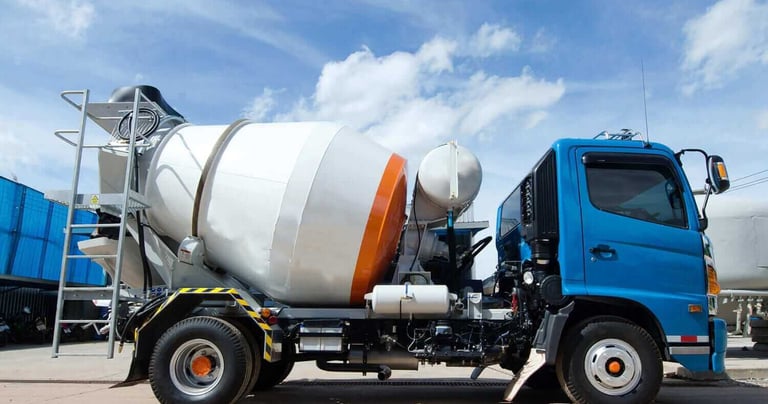
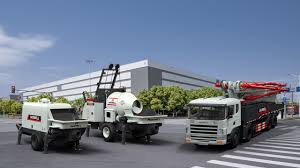
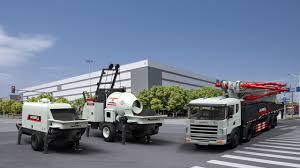
This is the most common method for transporting Ready-Mix Concrete from the batching plant to the construction site. The mixer drum continuously rotates during transport to prevent the concrete from segregating and to maintain its workability. This method is essential for high-volume jobs and long haul distances, ensuring the concrete arrives in a uniform state.
Concrete Pumps
Used for placement, not just transport. Concrete pumps (either boom pumps or line pumps) convey fresh concrete through pipelines directly to the exact point of placement, often at elevated or difficult-to-reach locations. This method significantly increases the speed of pouring, especially for large slabs, high-rise buildings, and complex structural elements.
Belt Conveyors
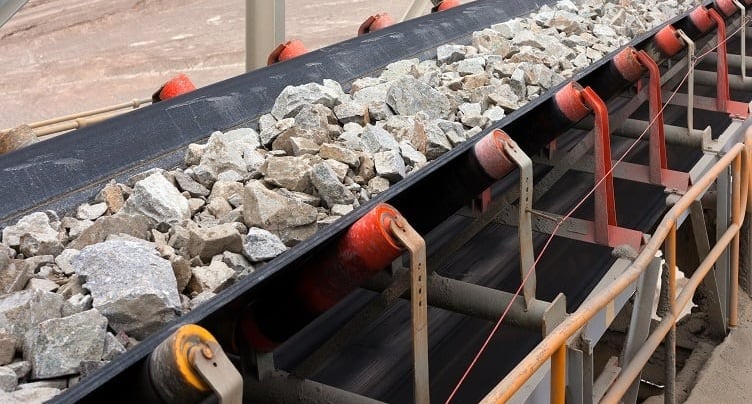
Belt conveyors provide a continuous and efficient method for transporting large volumes of concrete horizontally or at shallow inclines over short to moderate distances (typically within a construction site). They offer high capacity and precise placement control, but care must be taken to minimize vibration and prevent segregation at transfer points.
Buckets/Skips
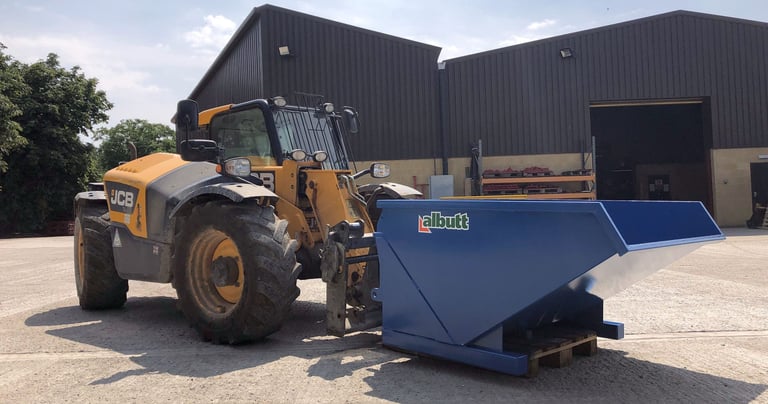
Concrete buckets or skips are primarily used in conjunction with cranes, hoists, or cableways for vertical transportation. The bucket is filled, lifted, and discharged at the required height. This method is commonly employed in the construction of tall structures, dams, and bridges where direct access for truck mixers or pumps is challenging or impossible.